The 2026 Diamond District Opening: What Richmond Investors Need to Know
Richmond's real estate market is about to shift in a way we haven't seen since the Scott's Addition brewery boom transformed that sleepy industrial corridor into one of the hottest neighborhoods on the East Coast. CarMax Park, anchor of the city’s new Diamond District, officially opened in April 2026, bringing the first phase of the $2.4 billion urban renewal project to life in the heart of Northside.
This isn't just about giving the Flying Squirrels a new home. The Diamond District represents the largest mixed-use development in Richmond's history, and investors who understand the ripple effects stand to benefit significantly over the next decade. We're talking about roughly 67 acres of new housing, retail, office space, and public amenities that will fundamentally change how people live, work, and commute through the urban core.
Here's what makes this moment different from typical stadium deals: The city built affordability requirements directly into the development agreement, creating a mixed-income community rather than another luxury enclave. That decision shapes everything from the tenant profiles you'll attract to the long-term stability of property values in surrounding neighborhoods.
Why April 2026 Is a Turning Point for Richmond Real Estate
The Evernest Richmond team has been tracking this project since the groundbreaking, and we've helped investors position their portfolios to capture the spillover appreciation that major developments generate. The opportunities aren't inside the Diamond District itself; they're in the adjacent zip codes where smart buyers are already making moves.
The cranes are coming down, and that's historically when equity starts climbing for nearby property owners. CarMax Park's 10,000-seat capacity makes it the anchor of what developers are calling a "neighborhood of neighborhoods," designed to function as a complete community rather than a single-purpose entertainment venue.
What sets this project apart is the 20% affordable housing mandate baked into the development agreement. Phase One includes 100 units reserved for households earning at or below 30% of the area’s median income. This isn't charity; it's smart urban planning that creates workforce housing for the teachers, nurses, and service workers who keep a neighborhood functioning. Mixed-income developments tend to maintain more stable property values because they're less vulnerable to economic downturns that hit luxury-only projects hard.
The construction timeline matters for your investment strategy. Phase One is underway, but the full build-out extends to 2040. That's more than 15 years of continuous development activity, which means more than 15 years of incremental value creation for properties in the surrounding area. Each new phase brings additional residents, additional retail, and additional reasons for people to want to live nearby.
The "10-Minute Neighborhood" Effect in the Urban Core
Young professionals and high-income renters increasingly prioritize walkability over square footage. The Diamond District was designed around this preference, creating a mixed-use environment where residents can reach dining, entertainment, grocery stores, and transit options within a 10-minute walk. That design philosophy is reshaping demand patterns across Richmond's urban core.
The city's comprehensive plan explicitly prioritizes transit-oriented development around the Diamond District and the Pulse bus rapid transit corridor. That policy direction means continued infrastructure investment, zoning flexibility for density, and public amenities that make these neighborhoods more attractive to the demographic groups driving rental demand.
Here's the practical impact for investors: Properties within a 15-minute walk of the district boundary are likely to see faster lease-up times and lower vacancy rates than comparable properties farther out. The tenants signing leases in these areas may be younger, more educated, and more likely to renew because they've chosen the location intentionally rather than settling for what they could afford elsewhere.
Richmond's shift toward urban density rewards owners who position themselves near these growth hubs. The suburbs aren't going away, but the premium for walkable urban living continues to climb.
Protecting Your Investment During Construction Phases
Completion of parts of Phase One doesn't mean the construction activity stops. The Diamond District's full build-out runs through 2040, which means investors need to factor ongoing development into their tenant communications and property management strategies.
The practical challenges are predictable: intermittent road closures, construction noise during business hours, and disrupted parking patterns. None of these issues are deal-breakers, but they require proactive management to prevent tenant frustration from turning into turnover.
When discussing lease renewals with tenants in affected areas, lead with the long-term lifestyle benefits rather than apologizing for short-term inconveniences. Tenants who understand they're living in an appreciating neighborhood with improving amenities are more likely to tolerate temporary disruptions. Frame the construction as evidence that their neighborhood is becoming more valuable, not less livable.
Rent increase conversations in 2026 should reference the tangible improvements coming online: new restaurants, better transit connections, expanded green space, and a professional baseball stadium within walking distance. These amenities justify higher rents because they genuinely improve quality of life for residents.
Documentation becomes especially important during active construction phases. Keep records of any tenant complaints related to construction impacts, and document your responses. If disputes arise later, you'll want evidence that you communicated proactively and addressed concerns reasonably.
Consider adding lease language that acknowledges ongoing development in the area. This doesn't waive your obligations as a landlord, but it does set appropriate expectations for tenants signing leases near an active construction zone.
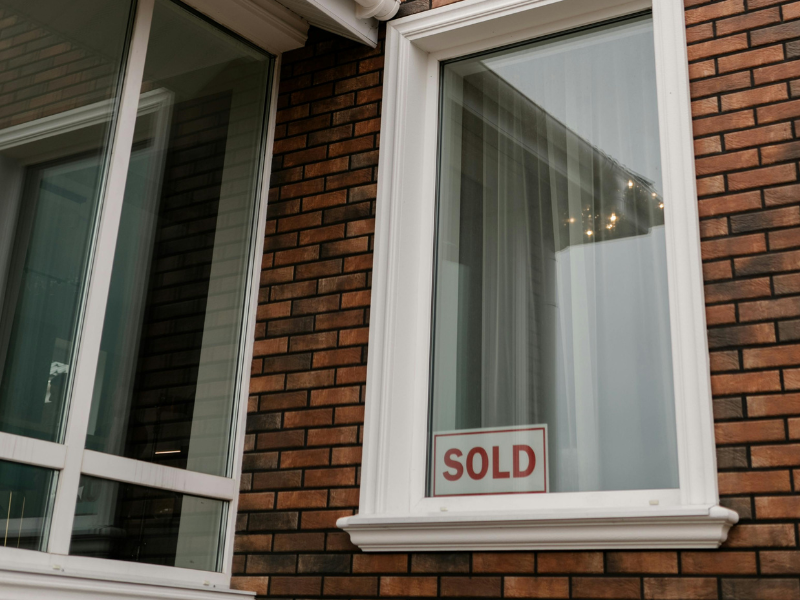
A Changing Landscape in Richmond’s Northside Neighborhood
Northside has been Richmond's best-kept secret for years: affordable housing stock, strong community ties, and proximity to downtown without the downtown price tag. The Diamond District changes the equation by bringing significant investment directly into the neighborhood.
The ripple effect extends further than most investors realize. Areas like Highland Park, Ginter Park, and Bellevue are seeing increased buyer interest from people who want Northside character at Northside prices before the Diamond District premium fully materializes. These neighborhoods offer older housing stock that appeals to a certain buyer profile: walkable streets, mature trees, and architectural variety that new construction can't replicate.
For rental property investors, the calculus is straightforward. Properties within a mile of the district boundary are likely to see stronger rent growth and lower vacancy rates than comparable properties elsewhere in the metro area. The question isn't whether to invest in this corridor; it's whether you can find suitable properties before prices fully reflect the development's impact.
Richmond's older housing stock does require attention to maintenance fundamentals. HVAC systems work harder in Virginia's humid summers, and plumbing in pre-war homes often needs updating. Factor these costs into your acquisition analysis, and budget for proactive maintenance that prevents expensive emergency repairs.
How Investors Can Maximize Richmond’s Urban Renewal Projects in 2026
The Diamond District's more than 15-year build-out creates multiple entry points for investors, each with different risk and return profiles.
Buying now, before Phase One opens, means accepting some uncertainty about how the market will respond to the finished product. The upside is acquiring properties at prices that don't yet reflect the full impact of a completed development. Early buyers in similar projects around the country have typically seen the strongest appreciation.
Waiting until 2027 or 2028 reduces uncertainty because you can observe actual market response to the stadium and initial residential phases. The tradeoff is paying higher prices that reflect demonstrated demand rather than projected demand.
The 2030-2035 window offers a middle path. By then, multiple phases will be complete, the neighborhood's character will be established, and you'll have years of rental data to inform your underwriting. Prices will be higher than today, but so will your confidence in the investment thesis.
Conclusion
Richmond has earned its spot as a top-tier market for mid-Atlantic investors, and the Diamond District crystallizes why. A $2.4 billion development with built-in affordability requirements, strong municipal support, and a build-out across more than 15 years creates exactly the kind of sustained growth opportunity that patient investors seek.
The opening of CarMax Park in April 2026 marks the transition from speculation to reality. Markets typically reward that transition with accelerated appreciation as buyers and renters can finally experience what they've been anticipating.
Evernest's Richmond team embodies our "Own the Outcome" core value by helping investors navigate these shifting conditions with clear data and local expertise. If you own property in the 23220, 23227, or 23230 zip codes, now is the time to understand how much your investment has appreciated and what rental rates the current market supports. Get your free rental analysis from our team to see where you stand and how Evernest can help you maximize your returns as this transformation unfolds.
FAQs
When does the new Flying Squirrels stadium open? The official opening game at CarMax Park was held April 7, 2026. The stadium seats roughly 10,000 fans and anchors the first phase of the Diamond District development.
Is there affordable housing in the Diamond District? Yes, Phase One includes 100 units reserved for households at or below 30% of the area’s median income. The overall development maintains a 20% affordable housing requirement throughout all phases.
How will this impact parking in Scott's Addition? The master plan includes structured parking within the district, but investors should expect tighter street parking during event days. Consider this when communicating with tenants about lease terms and setting expectations for game nights.
Should I buy a rental property near the stadium now? Buying near a developing corridor typically yields the best long-term equity gains before the full project finishes. Properties purchased during construction phases have historically outperformed those acquired after completion, though they carry more short-term uncertainty.